Jude Norris / Bebonkwe ᐱᐳᐣ

Contemporary Indigenous Images, Objects & Actions
Menu
Skip to content
  • painting & photo-based
    • Bebonkwe Brown paintings & drawings
    • scar series
    • stick, seed & stone portraits
    • The Response-Hive City interactive web-based artwork
  • sculpture
    • antler series
    • braided series
    • nest series
    • natura directus et delectabilis
    • individual sculpture work
  • installation
    • multimedia installation work
      • Affirm/Nation series
      • Between the Lines series
      • Indigenous Metropolis/Immigrant Wilderness series
    • pure video installation work
      • Original
      • Diary of a Nomad
      • bichambers
      • self-portrait in alterNation between ascension & descent
      • self-portrait in revolutions
      • 10,000 years
      • Bling Bling Antler Video: Spiritual Currency Version
      • Bling Bling Antler Video: Cree Prosperity Version
  • real-time
    • live art
      • A Little Piece of Unity
      • Red Carpet / Mixed Blood Buffalo Ballgown
      • Tender Trading Tipi
      • Red Breath
      • The Earth & Myself
      • other live artworks
    • live art for video
      • toxic soil
      • 10,000 years
    • video shorts
  • linguistic beadwork
  • dolls
  • exhibitions
    • current & recent exhibitions
    • exhibition views
  • about
  • cv
  • contact

scar series

click on any image to enlarge & view in lightbox

back to sculpture page

a·li·as: at another time; in another place; in other circumstances; otherwise.

Jude Norris is also know as
Bebonkwe Brown.

scar series

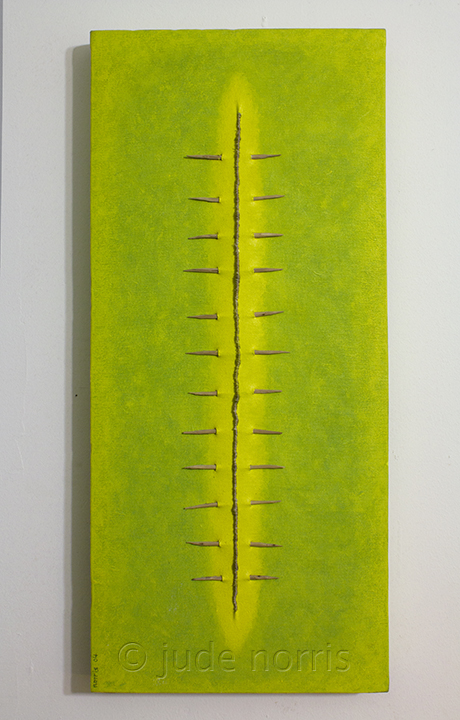
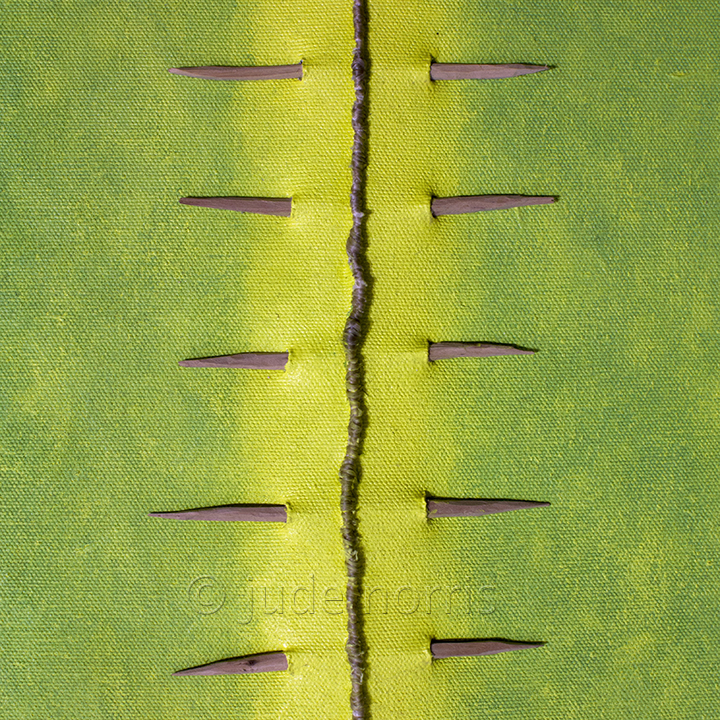
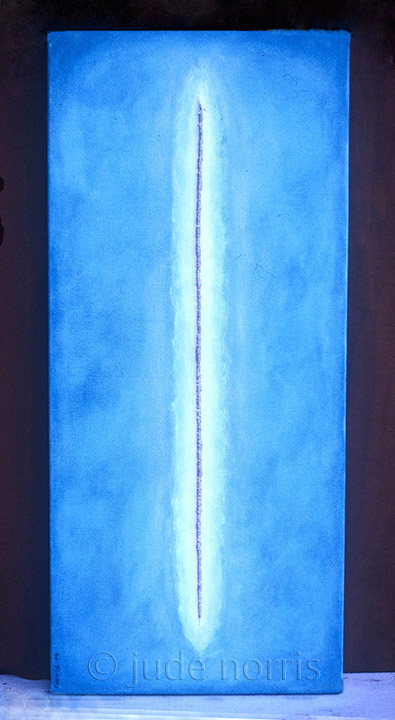
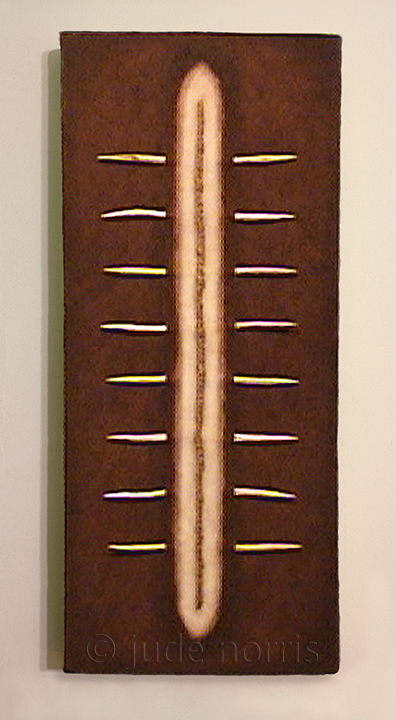
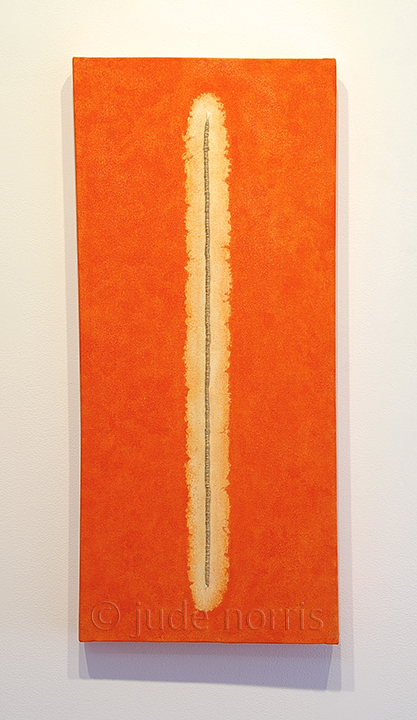
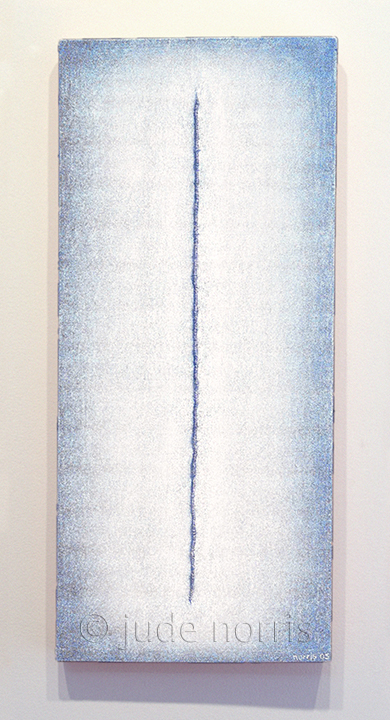
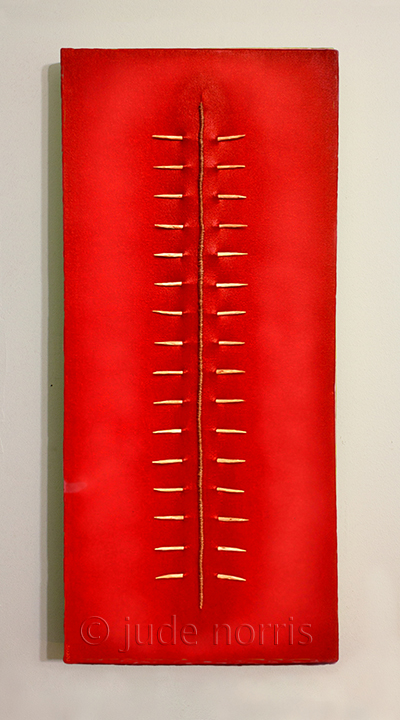
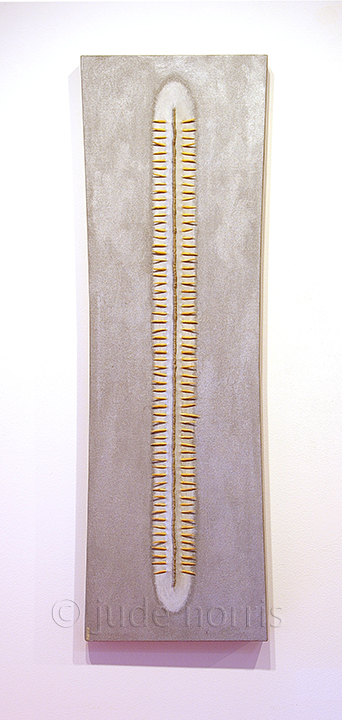
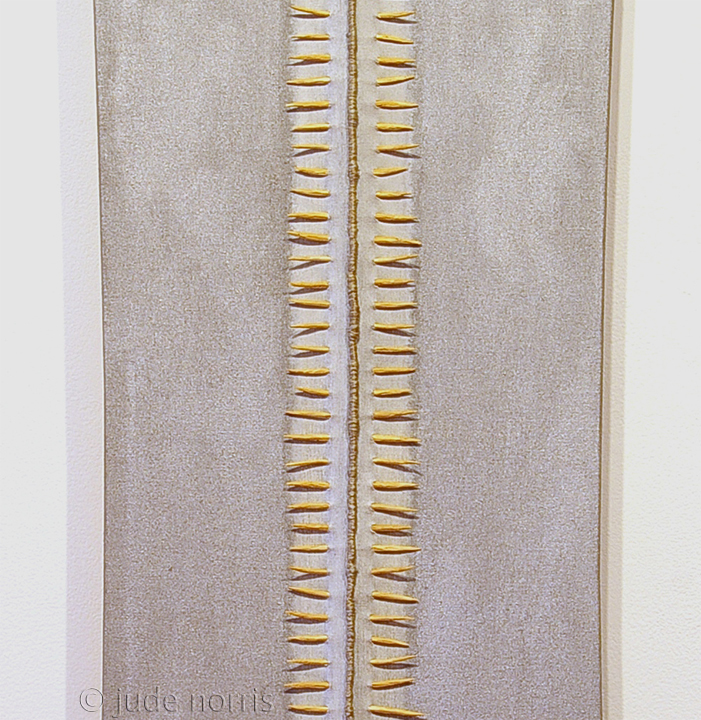
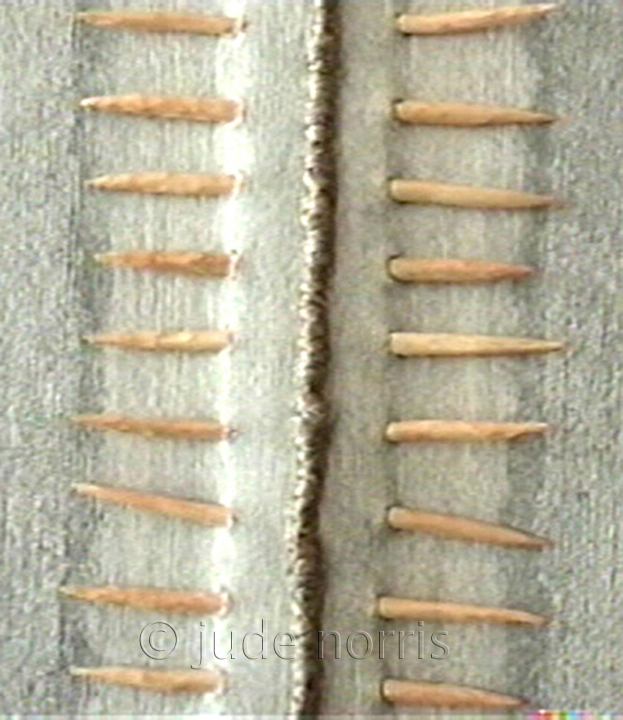
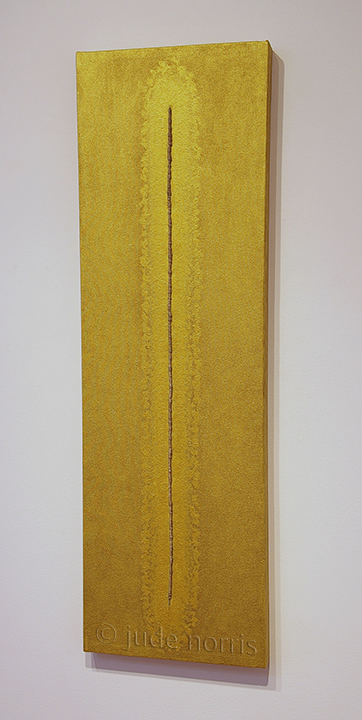
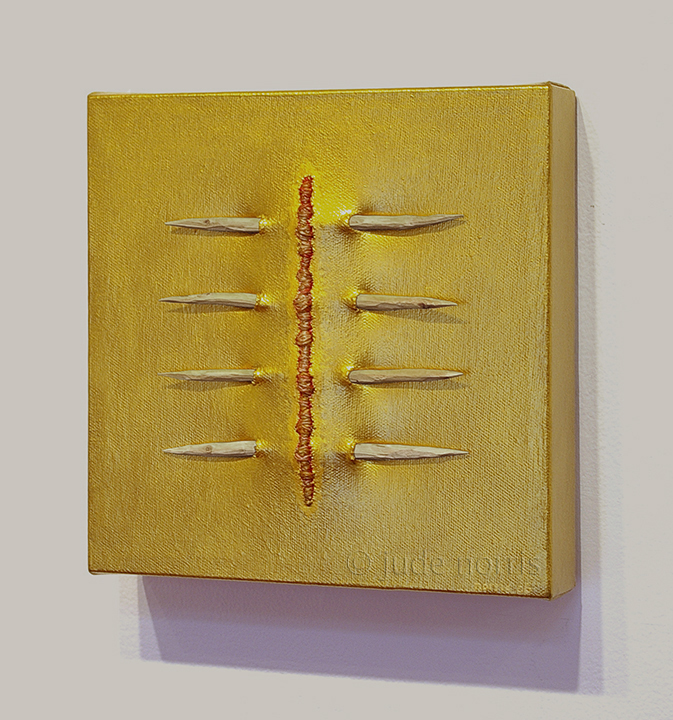
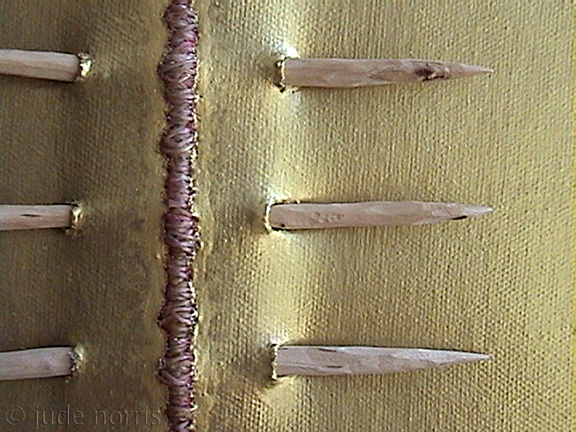
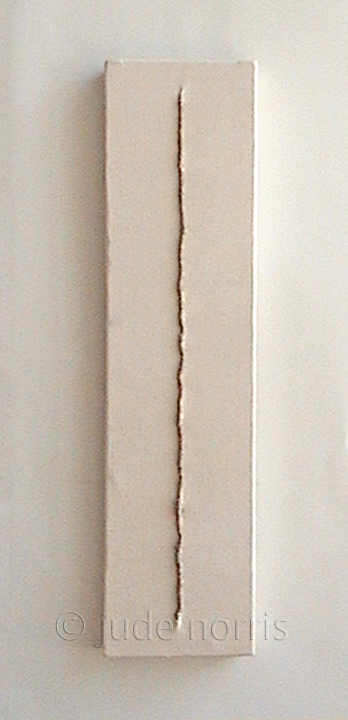
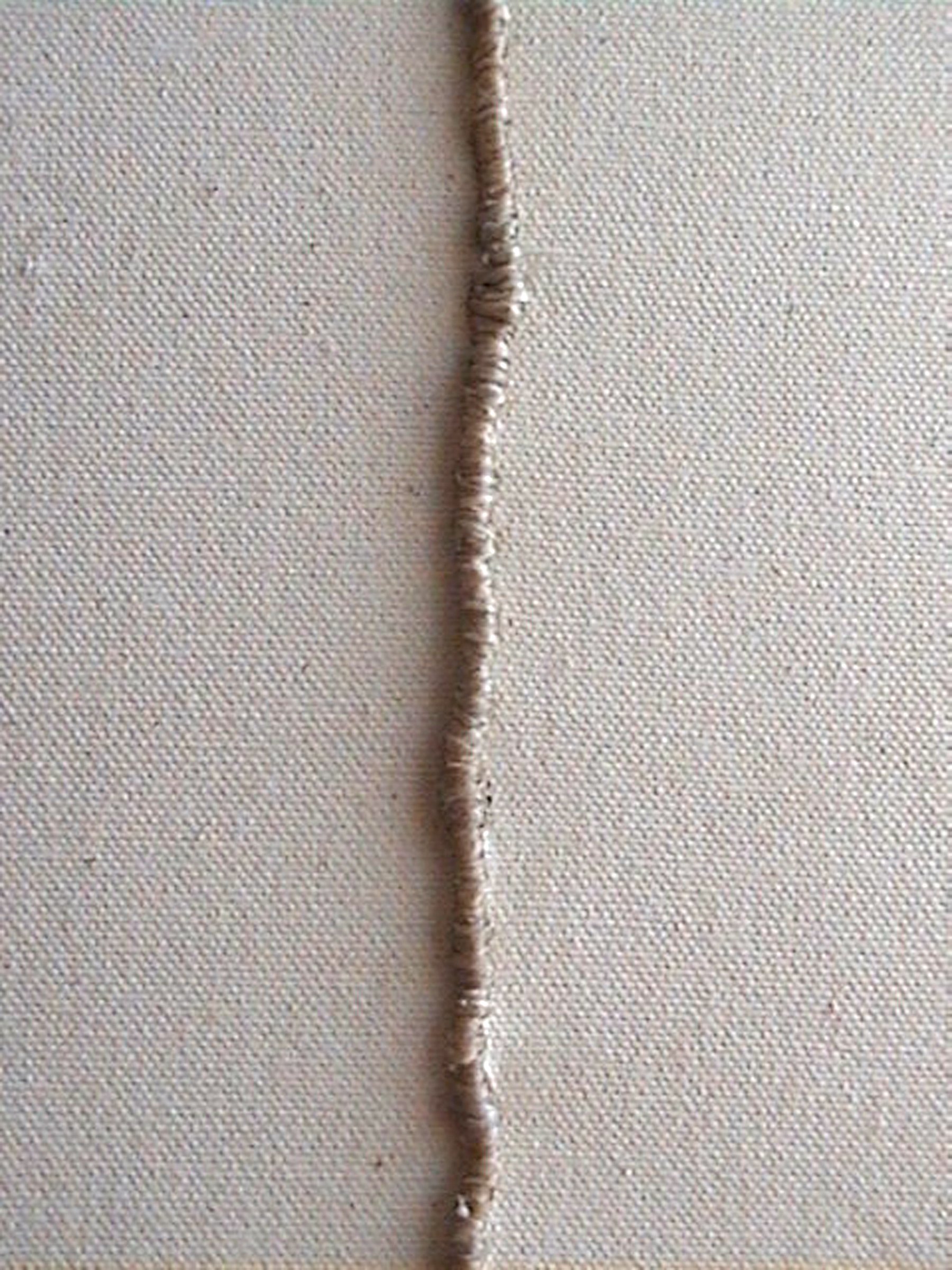
In this series of 'adorned' acrylic paintings on canvas, the canvas itself is literally wounded with a cut down its centre, then I ‘heal’ them by paintstakingly sewing the cut closed with sinew stitching.

In some pieces the resulting scar is embellished with carved sticks that pierce the canvas surface for the length of the sinew seam, in others it is left as-is.

The visually bold, simple and even celebratory presentation of these scars promotes a similar attitude towards ourselves and our inherent wounds and weaknesses, and how important honesty and acceptance is to our paths of recovery and growth. The omnipresent scars running down the centre of otherwise seemingly very ‘Western’ abstract paintings also explore how the awareness and experience of colonial history and culture impact the creative practices of contemporary Indigenous artists. They are both wry commentary on our situation and celebration of our survival and accomplishments.

I first began making the double-pointed sticks intuitively, and using them sculpturally - being almost compulsively drawn to them in process and physicality. I found out some years later that the use of uncannily similar sticks as ceremonial offerings was once widespread in Cree & Anishnawbe territory, and still continues with some people today.

Both the symbolic ‘wounding/healing’ of a fabric surface and the use of these cedar sticks (both as evidence of a healing process) first happened in my 1999 live artwork, 'Blue Lodge' (performed at the Performance at the End of the Twentieth Century festival in Vancouver). In this piece I sliced through the translucent, luminescent covering of a small tipi four times and in four directions, then sutured these cuts with the small cedar sticks.

In the scar series, the double-pointed sticks can be read in a number of ways. They may represent elements of repair, security, trial, or adornment.

Piercing the canvas as they do, the sticks also look like the pegs used to seal the front surfaces of a tipi. These 'scars' may also be read as seams - helping create structures which provide shelter and/or safety.

The sticks also look like those used to pierce sundancers’ skin and connect them to the ceremony’s centre pole. Associated with this rite, and yet abstracted, they come to symbolize passage through trail, both individual and communal, by choice or circumstance.

In addition to being sutured and pierced, the surface of these canvasses are often painted in bright or metallic hues, and a monochrome uniformity. As in the 'braided' series wall pieces, the influence of colour field painting artists such as Rothko, as well as the bold and simple use of colour in precolonial plains clothing - particularly by the Arapaho - are strong influences. The choice and use of colour is also designed to express and evoke different emotional responses - another reference to personal and universal elements of healing process. in some scar works, however, the canvas is left bare, with more focus being placed on the various aesthetic and metaphoric qualities of the scar.

© Copyright 2026 Jude Norris / Bebonkwe ᐱᐳᐣ Powered by WordPress · Theme by Satrya